Greening Earth 2 Project
Kizonzo and Mgongo Villages, Iramba District
Launched November 2022
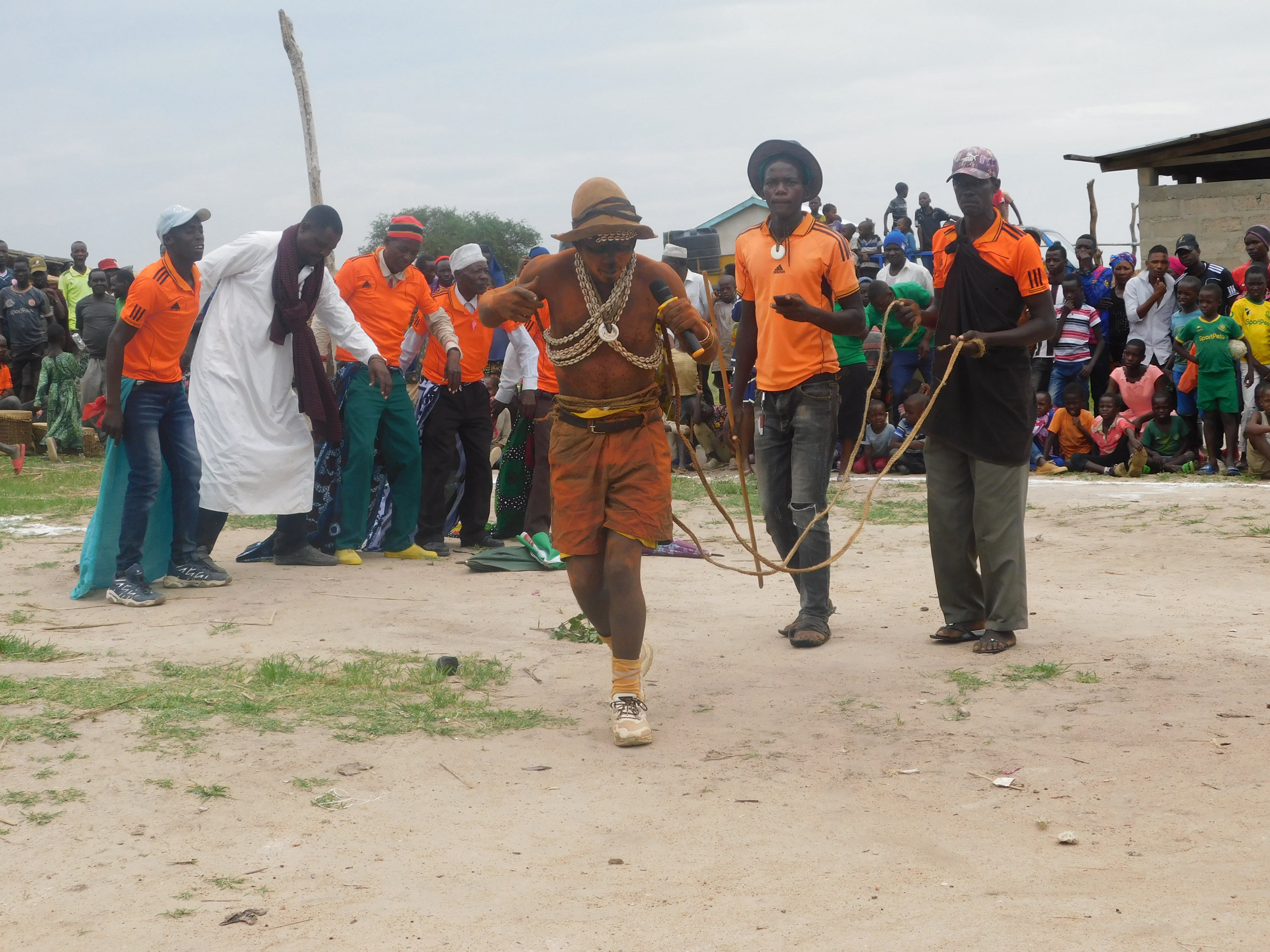
Greening Earth 2 Project
Following the strong results of GE1 in Mseko village, the Greening Earth Foundation expanded its work to the Mgongo ward in November 2022, launching GE2 across two new communities, Kizonzo and Mgongo villages in Iramba District, Singida Region. These semi-arid communities rely on subsistence agriculture, with many households surviving on less than one US dollar per day. Using the same Pachamama Raymi methodology of peer-to-peer learning combined with structured competition, GE2 promoted behavioural change across the five strategic areas: ecological restoration, improving living conditions and health, strengthening social cohesion, improving family income, and improving education.
The project completed its three-year implementation cycle in 2025, and an independent end-line evaluation concluded that GE2 significantly met its objectives. Tree planting rose from 5% of households in Kizonzo and 21% in Mgongo at baseline to 96% and 95% respectively, with 872,342 trees planted in Mgongo (75% survival) and 618,213 in Kizonzo (77% survival). Half of all households adopted soil and water conservation structures, free grazing dropped from over 50% to 20–30% in favour of rotational and zero grazing, and satellite measurements showed vegetative cover increasing by 12–15%.
Living conditions improved just as dramatically. Latrine coverage climbed from 19% of households to 98% in Mgongo, and from 32% to 93% in Kizonzo, while smoke-free improved stoves were adopted by around 80% of households in both villages. Vegetable gardens, nearly absent at baseline, now support both home nutrition and market sales, with some households earning up to TZS 720,000 per month. Savings group participation rose from 5% at baseline to 89% in Kizonzo and 83% in Mgongo, with cumulative village savings of nearly TZS 250 million. Formal land tenure increased to 77% in Kizonzo and 71% in Mgongo, reducing land disputes and encouraging long-term investment, and school environmental clubs engaged pupils in tree planting, nurseries, and hygiene improvements, including over 2,100 trees planted at Kizonzo Primary School alone.
The evaluators concluded that GE2 achieved transformative impacts across ecological, economic, social, and educational domains, and that peer learning, structured competition, and the expert farmer model accelerated the adoption of improved practices while strengthening community ownership, establishing a foundation for long-term resilience and inclusive rural development.
881 households participated in GE2: 624 households in Mgongo (78% of the village) and 257 in Kizonzo (86% of the village). By the end of the project, tree planting had risen from as low as 5% of households at baseline to over 95%, and savings group participation had grown from 5% to more than 80% in both villages.