About Us
Our story, vision, and the methodology behind our work
Our Vision
Improved wellbeing for all
Our Mission
Restoration of degraded landscapes
Our Core Values
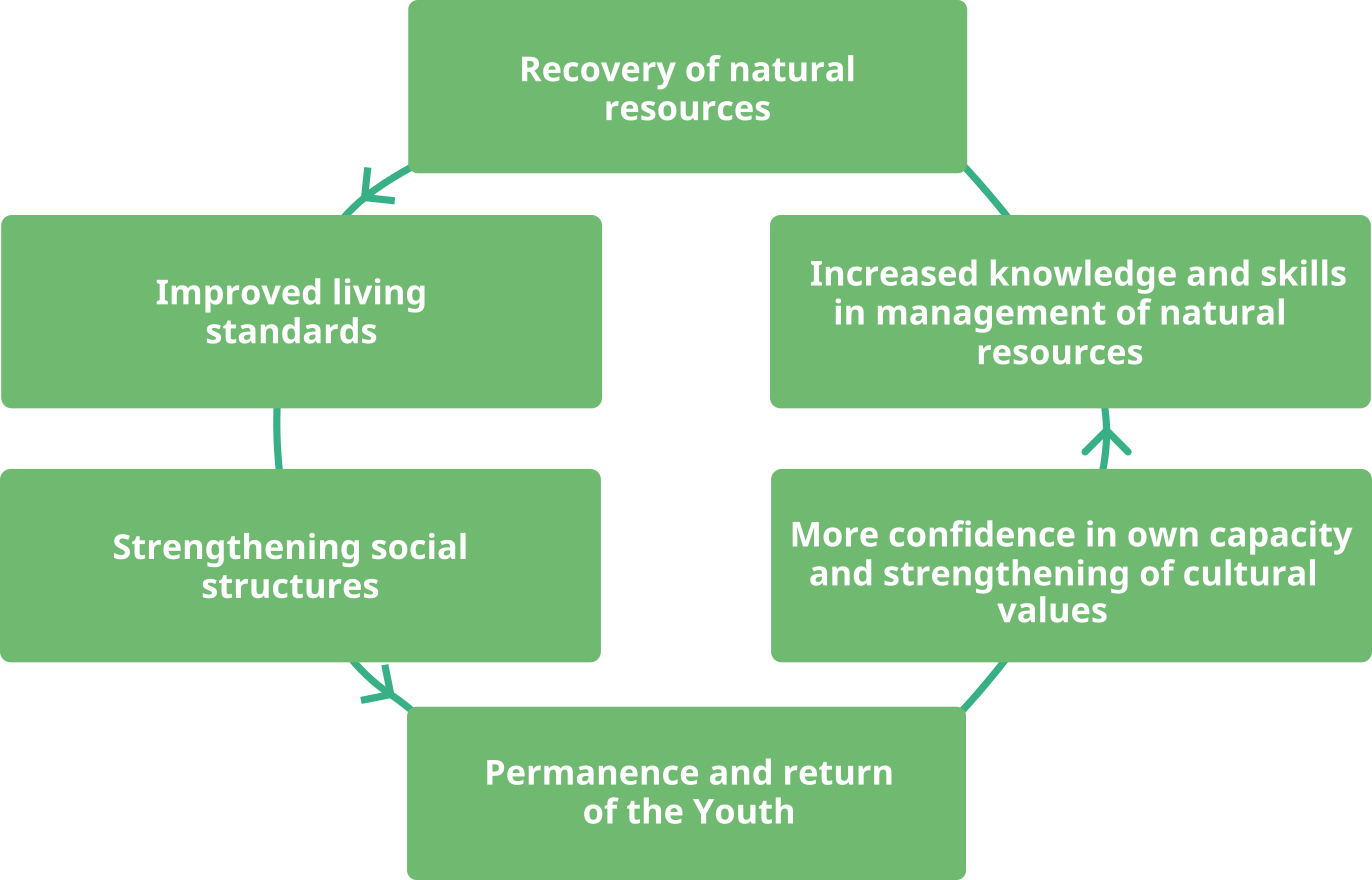
Greening Earth advocates for pairing sustainable poverty reduction in rural areas with the restoration of degraded landscapes and sustainable agriculture. Our development projects are concentrated in areas deeply affected by erosion, logging, and excessive grazing, deteriorating the soil's fertility and hindering crop growth. To break this cycle, we prioritize tree and shrub planting to prevent further degradation, fostering agriculture that aligns with nature. This approach cultivates fertile soil, boosts vegetation, and enhances farmers' yields, paving a path out of poverty. Through this approach, we create a 'virtuous cycle' of sustainable development.
We adopt a holistic approach to empower small-scale farmers in the Singida and Tabora regions of Tanzania through five pillars: ecological restoration, improving living conditions and health, improving household income sources, strengthening social cohesion, and enhancing education. Mindset change is central to how we work with farmers, recognizing their indigenous knowledge and experience, and we go beyond cultivation techniques by integrating agroecological principles, entrepreneurial skills, improved water, sanitation and hygiene, and a culture of saving and lending. These efforts empower farmers and pastoralists to build resilience against climate change and ensure sustainability within their communities.
Our Methodology
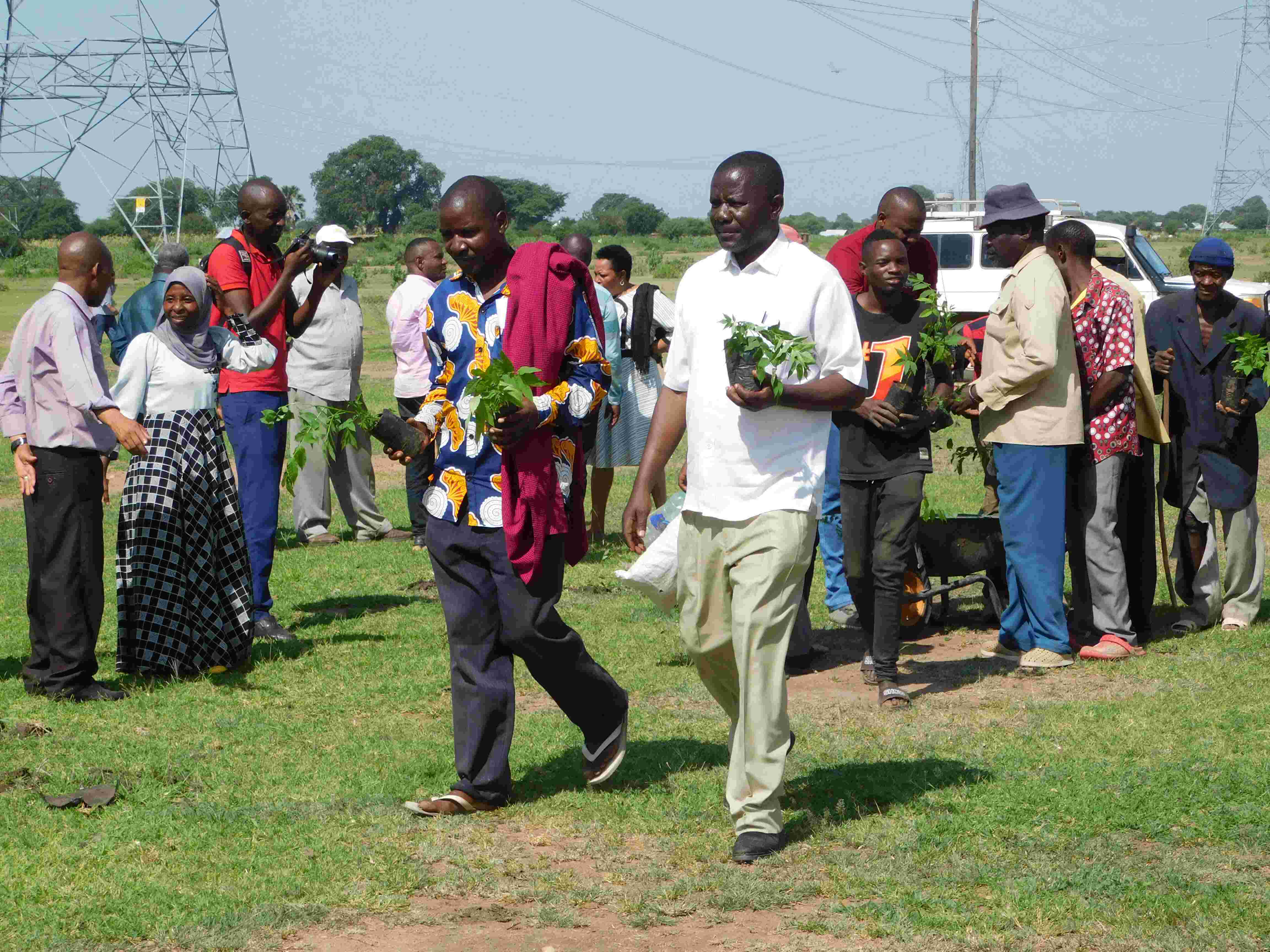
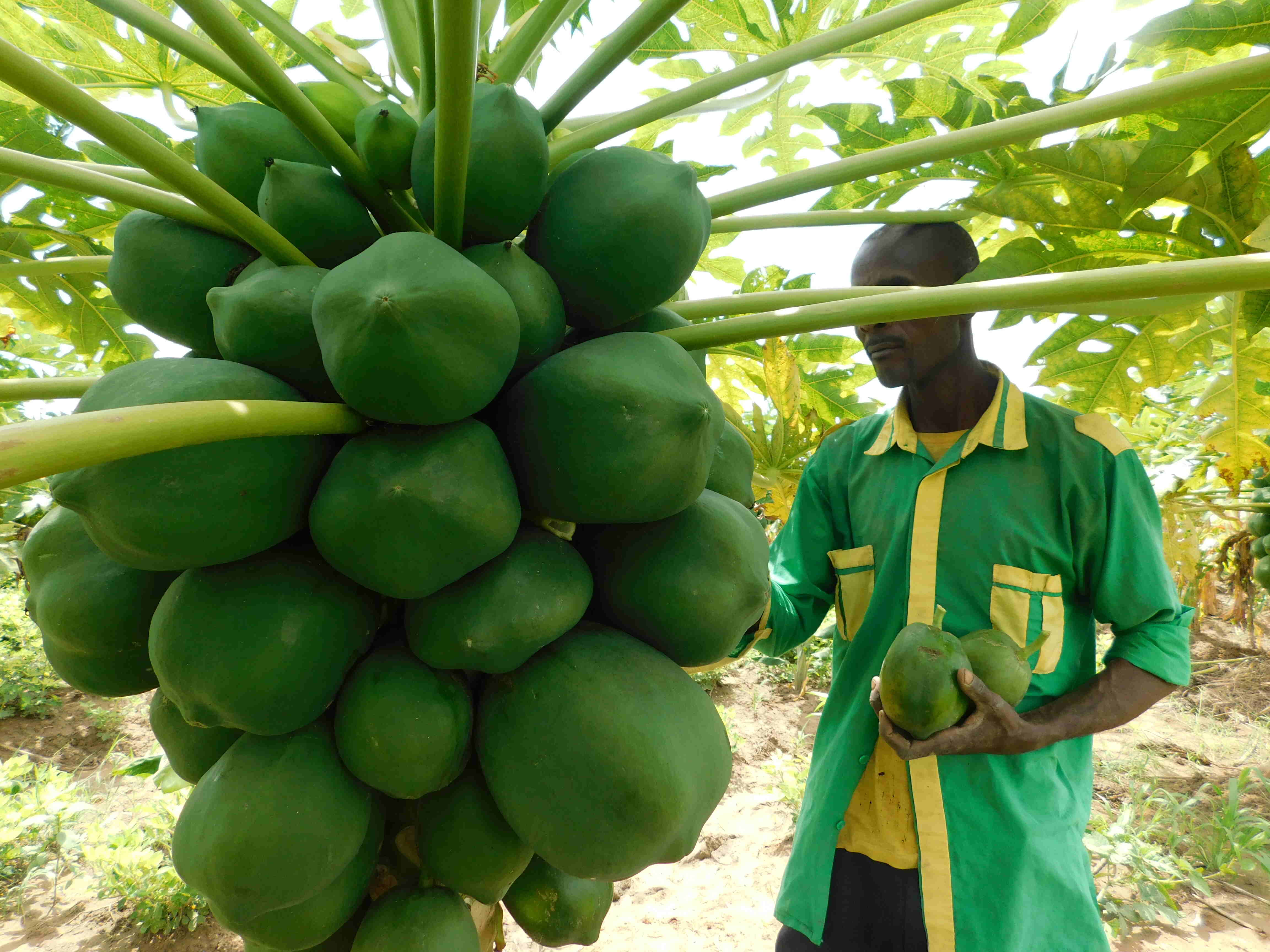
Greening Earth projects adopt the 'Pachamama Raymi' methodology, originating from Peru in 1985, to enhance living conditions in rural communities facing severe resource degradation and poverty. This approach aims to eradicate poverty, restore the natural environment, and advocate for sustainable resource management. By instigating a shift in mindset and encouraging behavioral changes, this methodology drives long-term sustainable development. Successfully implemented in Latin American countries, Tanzania, and Nepal, it adapts to local contexts while preserving its fundamental principles.
Core Elements
Peer Learning
Expert farmers training farmers through hands-on knowledge transfer
Competition and Recognition
Strong motivational elements in the form of contests between households and communities
Short Duration
Relatively short duration of projects (3 years) ensuring focused implementation